

Bell v. WA State Department of Corrections
Drug Testing Prison Mail and Papers: False Positives Should Not Have Real Consequences
Criminal Justice Reform – IMPACT LITIGATION
OVERVIEW
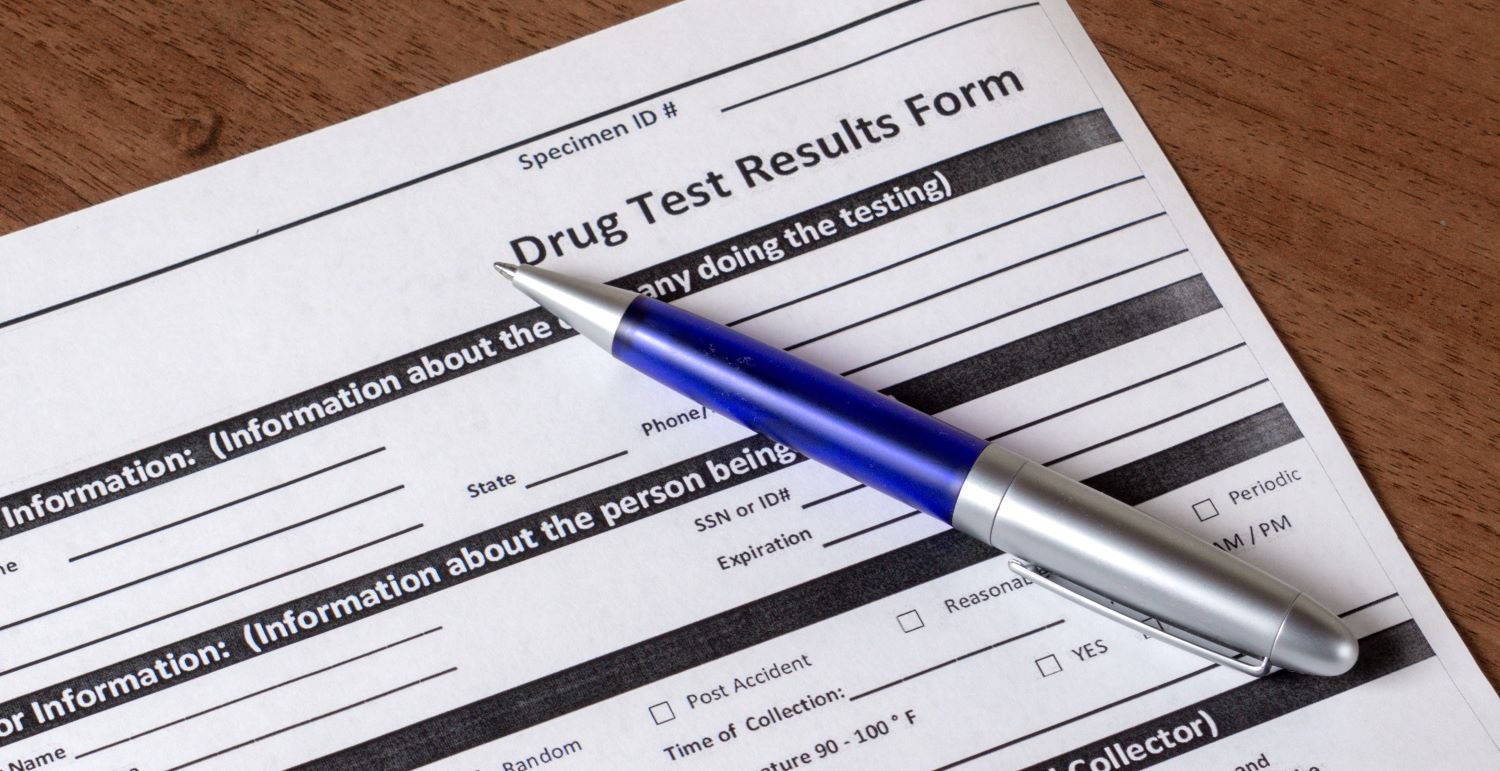
Prisons in Washington State regularly test incoming mail and other belongings of incarcerated individuals for drugs. Unfortunately, prison officials are using faulty, rapid drug tests that report “presumptive positives,” and then punishing people based on inconclusive results. In Massachusetts, a judge stopped the use of similar tests in 2021, after it was revealed they had a nearly 40% false positive rate.
Columbia Legal Services has received numerous requests for help from people at Washington Department of Corrections (DOC) facilities who have faced harsh and irreversible consequences based on these faulty tests.
People have been placed in prolonged solitary confinement (an internationally recognized form of torture), lost access to education and work , been moved to more restrictive prisons away from their loved ones, faced delayed prison release dates (at a daily cost of nearly $174 per person to Washington State taxpayers), and been barred from contacting their loved ones—all because of presumptive positive results.
Not only is this unfair and inhumane for people living inside prison, but false positives have the potential to destroy lives outside of prison as well. Family or friends accused of sending drugs into prison have no basis to challenge findings that exist on record with DOC and could be reported to law enforcement.
Columbia Legal Services filed a lawsuit on September 22, 2023, to seek an end to this testing practice and to seek relief for all incarcerated individuals harmed by these tests.
TEAM




Court Revives Lawsuit Challenging Use of Faulty Drug Testing in Washington Prisons

SEATTLE — A Washington appeals court has revived a lawsuit challenging the Washington State Department of Corrections (DOC) for punishing incarcerated people based on unreliable drug testing, allowing key claims to move forward.
The case, brought by Columbia Legal Services, involves a possible class of more than 1,000 people who were subjected to drug testing with a high rate of false positives. According to the lawsuit, DOC relied on this unreliable testing to accuse and punish people for drug use without sufficient evidence.
As a result, many people were placed in solitary confinement, lost good conduct time, and remained in prison longer, despite not committing the alleged infractions and having no meaningful opportunity to challenge the accusations.
After a trial court dismissed all claims last year, the Court of Appeals Division Two ruled on March 24 that plaintiffs’ claims may proceed.
“Unless DOC seeks further review by the Washington State Supreme Court or the Court of Appeals reconsiders portions of their decision, this ruling means our clients can move forward and seek accountability in the trial court for the severe harms they experienced,” said Alison Bilow, staff attorney at Columbia Legal Services. “People were punished and isolated based on highly unreliable evidence. DOC also continues to violate legal rights with these tests.”
The lawsuit raises broader concerns about how disciplinary systems inside prisons operate with limited oversight and accountability. According to the complaint, the use of flawed testing was widespread—not an isolated issue—and resulted in repeated punishment without reliable evidence.
Solitary confinement played a central role in that harm. People accused based on faulty tests were placed in isolation, a practice widely recognized as causing significant psychological and physical harm and lasting trauma. Even where DOC has said it has limited solitary confinement, similar conditions continue under different names.
For those affected, the consequences extended beyond time in isolation. Punishments like loss of good conduct time, loss of communication privileges, and transfer to stricter custody separated people from their families and communities and compounded the impact of wrongful discipline.
“This case is about fairness and basic dignity,” said Sarah Nagy, staff attorney at Columbia Legal Services. “No one should lose time, be placed in isolation, or face punishment without reliable evidence.”
Unless DOC seeks further review, the case will return to the trial court for further proceedings, where plaintiffs will continue to seek to end the use of unreliable testing, reform disciplinary practices, and obtain relief for people who were wrongfully punished.